
Power to the Future
Innovation has long been the driving force behind the success of offshore wind. Wind farms are nowadays large, modern power plants that make a significant contribution to the electricity supply. Yet as the energy transition accelerates, the sector must push even further - towards sustainable energy systems that are more flexible, efficient, and integrated. In the FlexH2 project, researchers and industry partners explore exactly that future: a smarter energy chain from offshore wind to hydrogen production. Guus Pemen, Dongsheng Yang of TU Eindhoven and Yin Sun of Shell and TU Eindhoven introduce the FlexH2 demonstrator.
The system challenge: flexibility at gigawatt scale

Have a look at Guus's profile on LinkedIn.
 |
|
To integrate massive volumes of wind power, Europe needs new forms of flexibility. Here, hydrogen enters the scene - not only as an energy carrier but as a controllable load that can stabilise the system.
 |
|
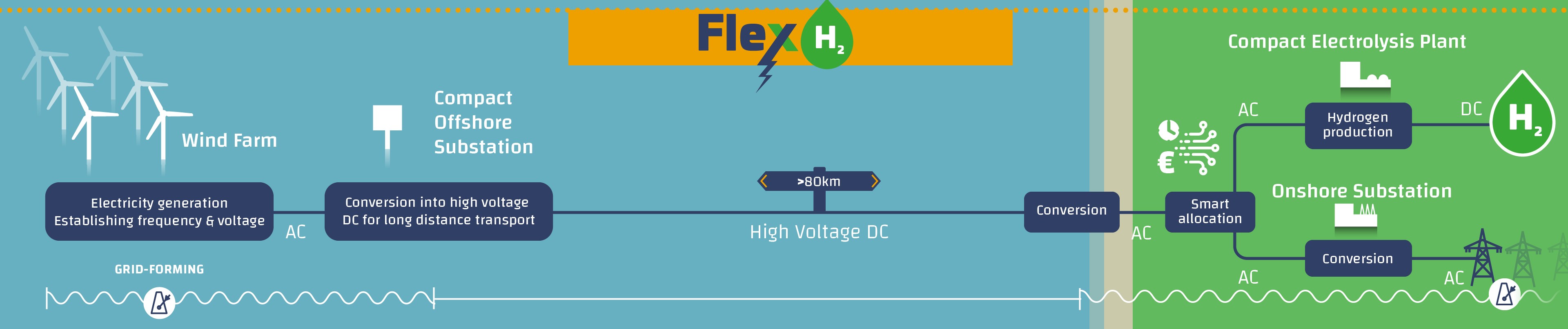
For remote wind farms, high-voltage alternating current (HVAC) transmission has inherent stability risks and limited power transfer capacity due to the inherent capacitive charging behaviour of AC power cables; hence, the need to convert the electricity from a wind farm into high-voltage, direct current (HVDC) to benefit from advanced DC architecture. Hydrogen can be generated when wind power is abundant and electricity prices are low, and stored for later use. But doing this efficiently requires a cost-effective energy conversion from AC wind power to DC transmission, and finally to an electrolyser. And that is where FlexH2 introduces a disruptive concept and several innovations.
 |
|
A new offshore substation: smaller, lighter, smarter
Traditionally, offshore wind farms require large, heavy AC-to-DC converters on huge offshore substations. FlexH2 proposes replacing this high-cost converter with a lighter - and hence lower cost – high-voltage DC concept: the passive diode rectifier. However, this requires advanced control algorithms in the wind turbines themselves. As the new HVDC concept cannot dictate the AC frequency for the wind turbines, wind turbines must do this themselves.
 |
|
Pemen summarises the breakthrough: “By using more clever control, we can replace the offshore AC-to-DC converter with a much simpler passive rectifier… reducing cost while maintaining system performance.”
 |
|
This concept leads to major advantages:
- 30–50% reduction in mass and size
- About a 1/3 reduction in cost
- Higher flexibility in power delivery
- Improved performance for hydrogen production
The key lies in making the wind turbines “grid-forming,” behaving more like traditional power stations and taking over essential control tasks.
 |
|
From offshore wind to onshore hydrogen
Onshore, the power must again be converted - from hundreds of kilovolts down to the levels needed by electrolysers, while also connecting to the national AC grid. As Pemen explains: “In order to have a very high performance of the electrolyser, we need to control very precisely the currents that we put into it.” The project aims to reduce hardware costs through smarter control strategies for both power and energy balancing, rather than by new bulky equipment.
 |
|
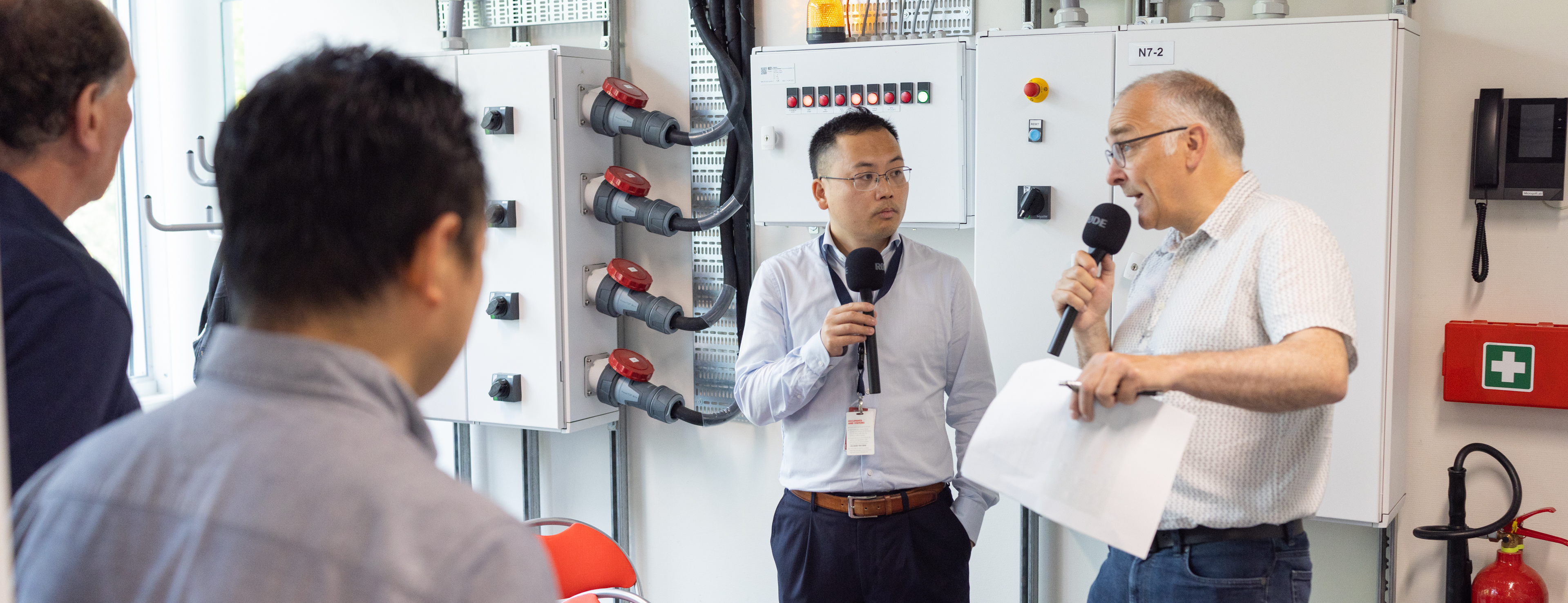
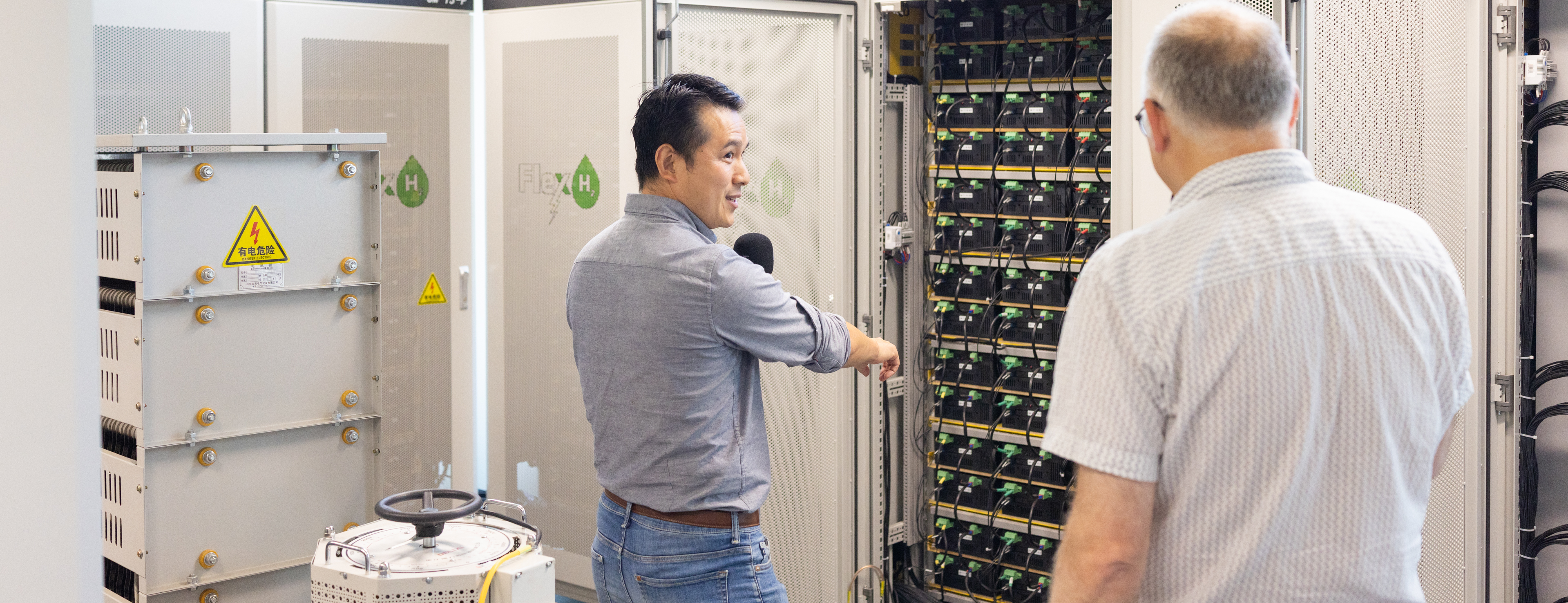
Inside the laboratory: scaling reality to 100 kW

Have a look at Dongsheng's profile on LinkedIn.
 |
|
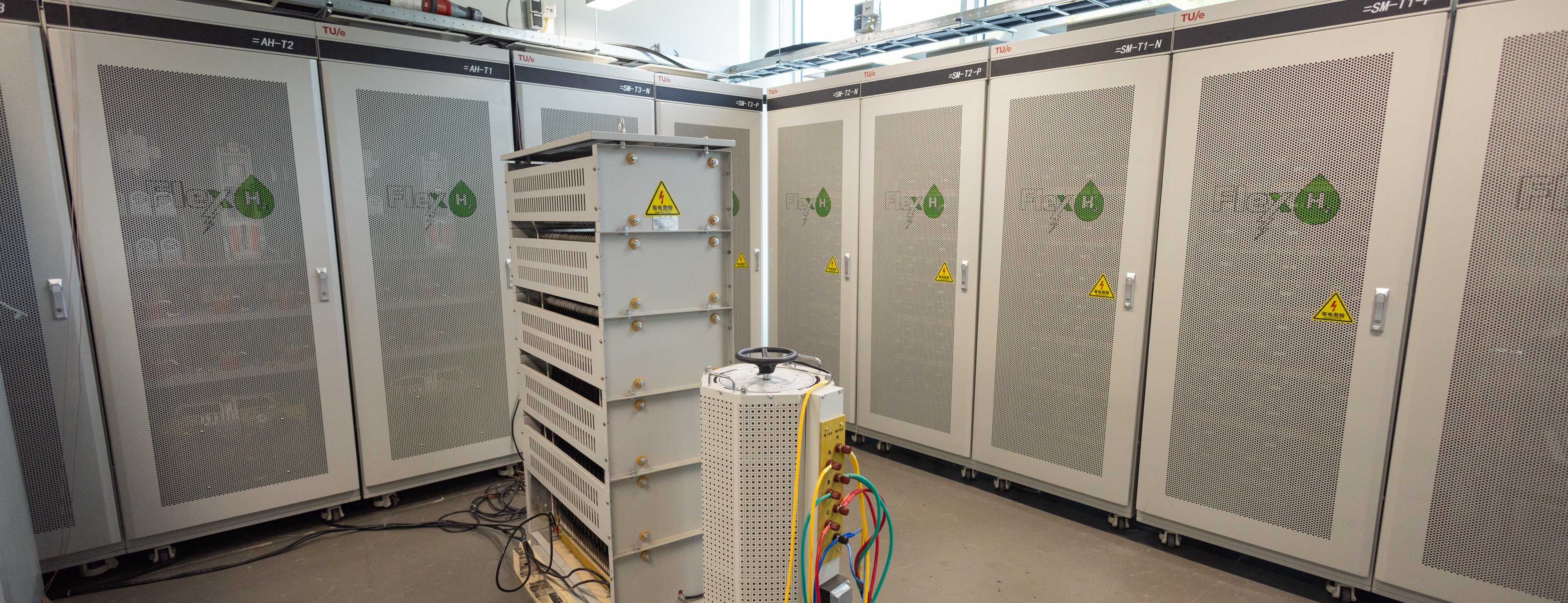
What the demonstrator provides:
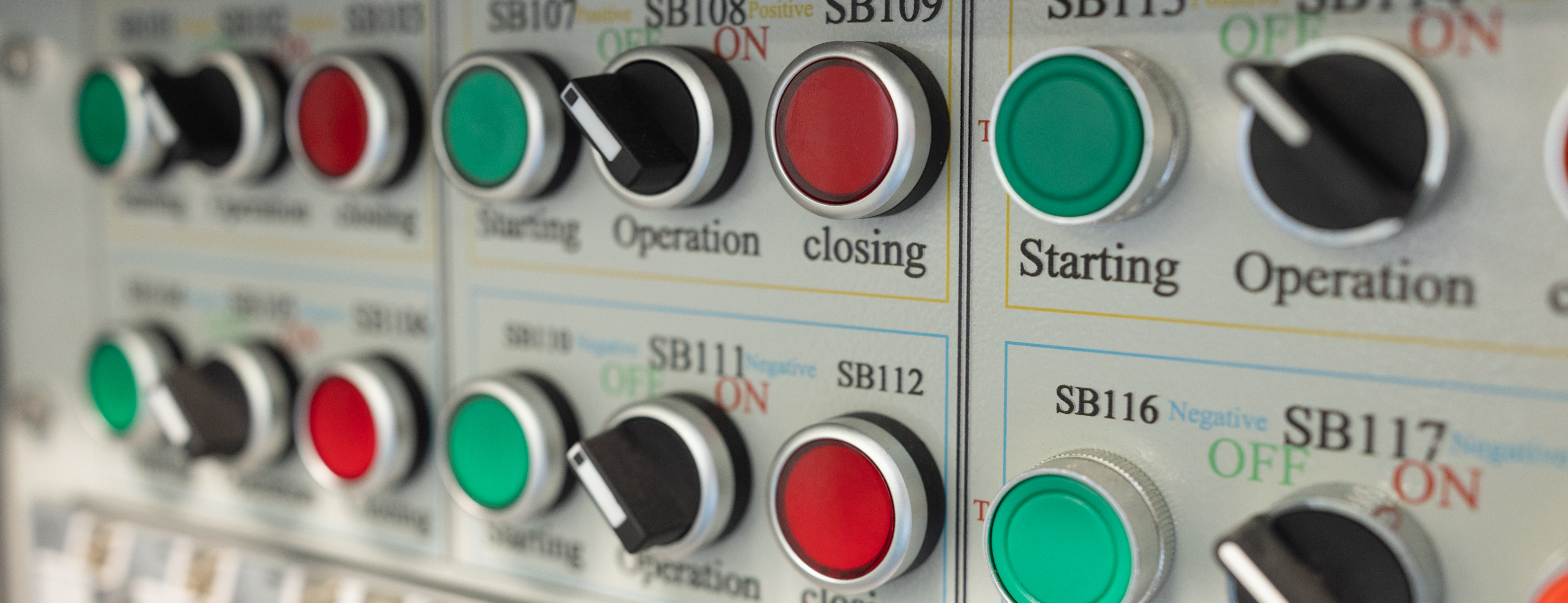
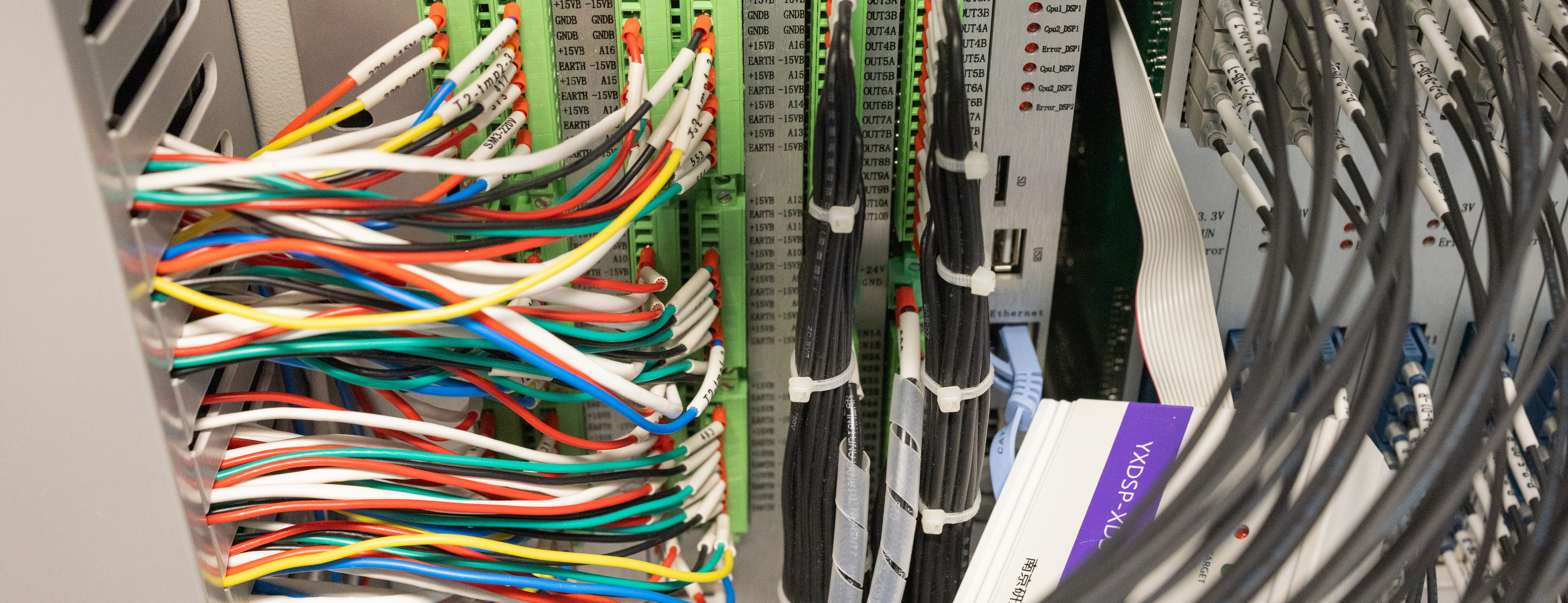
- A 100 kW, ±5 kV hardware-in-the-loop bipolar HVDC system
- Emulation of hundreds of kilometres of offshore cables
- Real wind turbine generator back-to-back converter hardware with emulated wind turbine aerodynamics
- A testbed for fault scenarios and mode switching between grid supply and hydrogen production
Dongsheng describes the core challenge ahead: “To make sure this system still works under extreme conditions and to make mode switching smooth.”
Get more insight in all FlexH2 innovations
 |
|
Partnership across the energy chain
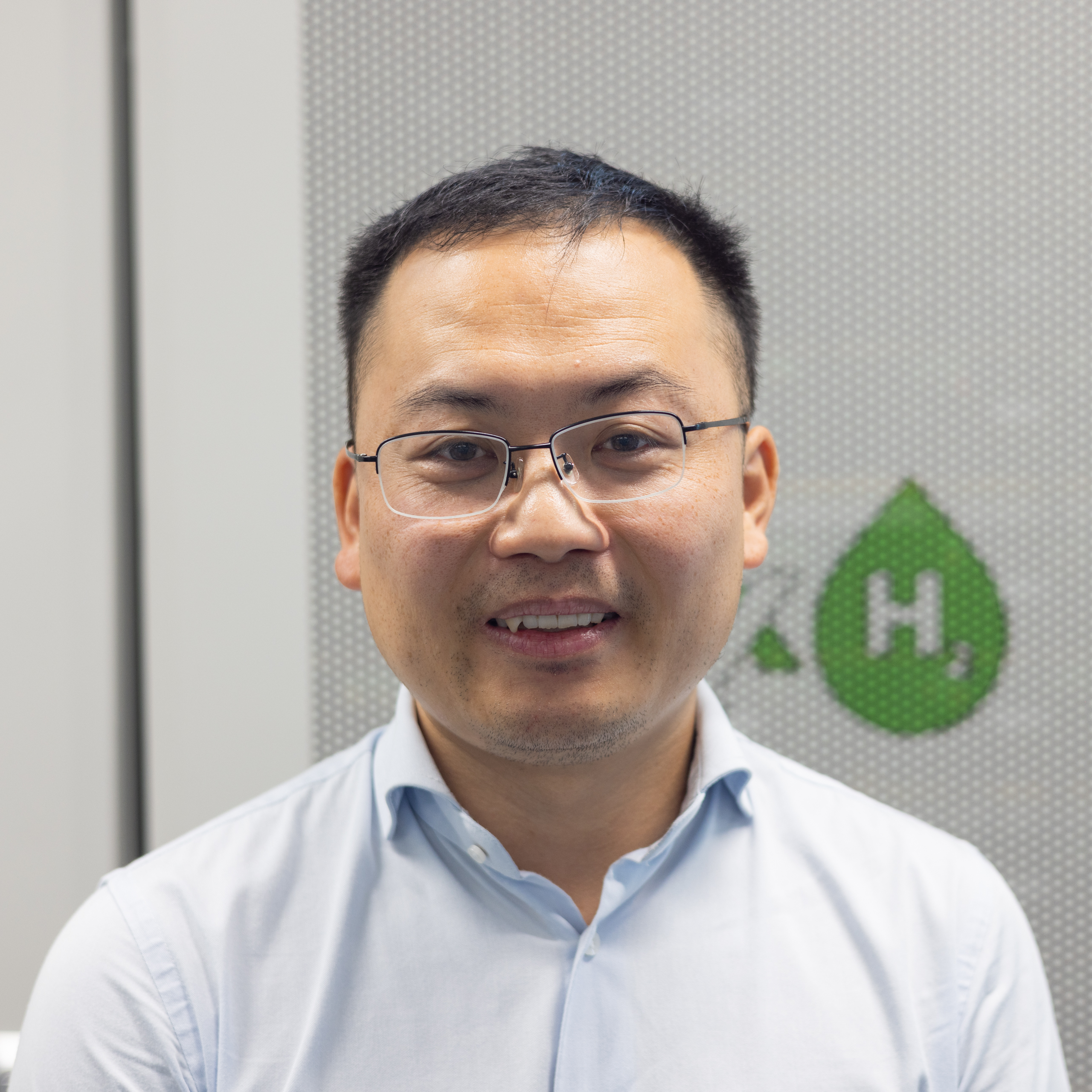
Yin highlights the uniqueness of this demonstrator: “This is the only one in the world.”
Have a look at Yin's profile on LinkedIn.
 |
|
Looking ahead: towards scalable, affordable hydrogen from offshore wind
The ambition is clear: reduce the cost of converting offshore electricity into hydrogen and make smarter use of scarce grid capacity. Yin reflects on the broader significance: “The future entails a lot of opportunity, notably to build systems on a large scale with reduced cost and even with a faster pace.”
ABB: expertise in electrical engineering and manufacturing
DNV: expertise in certification
GE Vernova: expertise in wind turbines
Shell: expertise in project development and operating wind farms
TKF: expertise in cables
 |
|
Early estimates suggest:
- About 10% reduction in total project cost in levelized cost term, potentially even more due to a better use of the congested onshore power grids
- Improved system integration between renewable generation and hydrogen production
- A pathway towards large-scale, gigawatt-level hybrid wind-hydrogen plants
But first, the demonstrator must prove the concept under real-world scenarios. As Yin emphasises: “First things first: fully utilise this setup and fulfil all the promises.”
TNO: expertise in applied research on energy system integration
TU Delft: expertise in electrical research
TU Eindhoven: expertise in electrical research
Van Oord: expertise in installation
Vonk: expertise in electrical engineering
Find out more about the FlexH2-project.
© GROW ’26