The moment the rotors start to spin, you feel the promise of something exciting and different. In this episode, David de Jager visits Drone Port Reusel and speaks with Thijs van ’t Geloof and Wouter Kloppenburg, both from Ampelmann, about a deceptively simple idea: using a heavy-lift cargo drone to deliver maintenance materials where and when they are needed, in a faster and safer way.
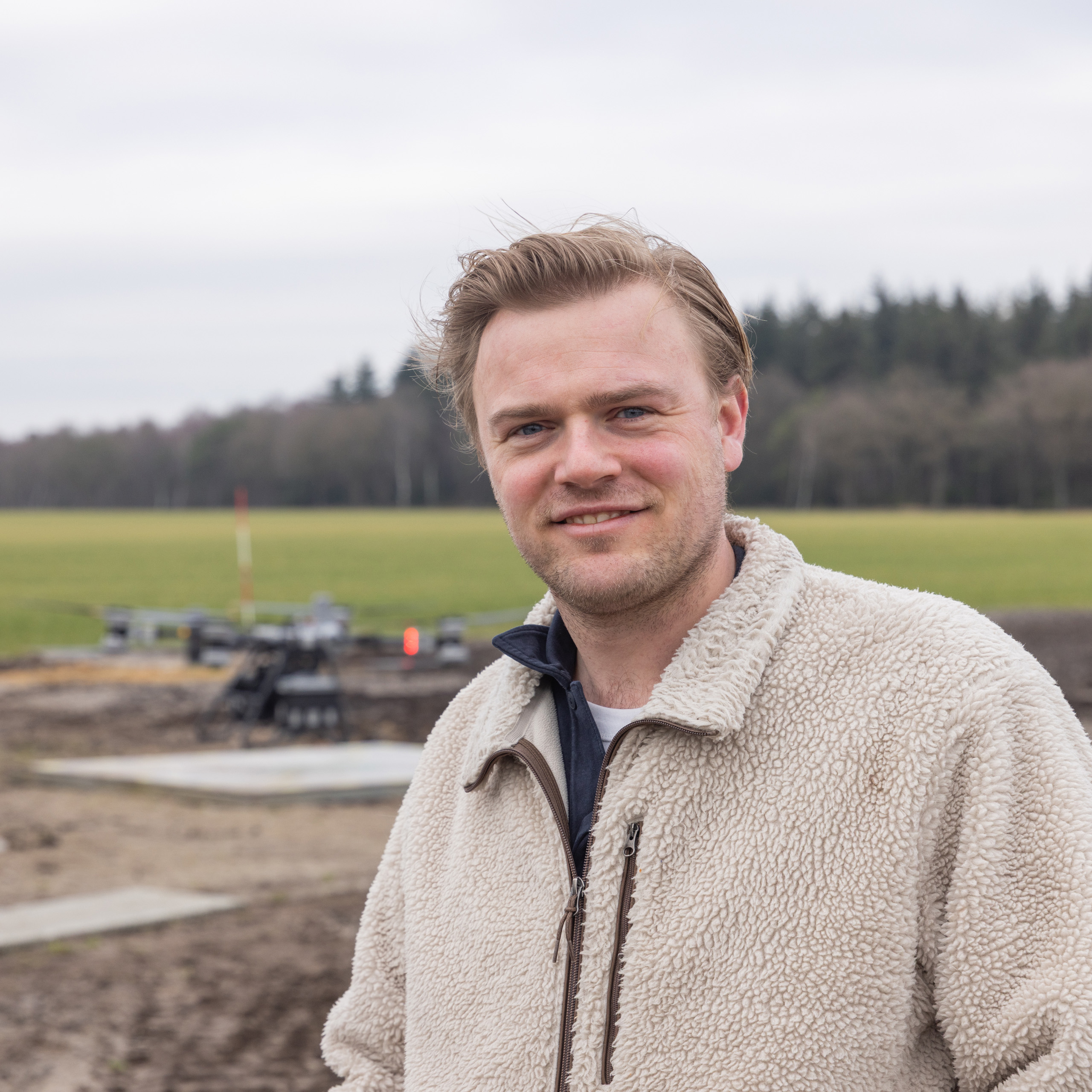
Thijs van 't GeloofBecause offshore wind maintenance isn’t just about what you fix, it’s also about how long it takes to get there, how much you carry, and how much time you lose before the job even starts. Thijs says, “Time is money, as the saying goes. This is especially true for offshore activities. With this drone, you can reduce each technician's maintenance visit by 2 hours. That is a significant cost-saving opportunity.”
|
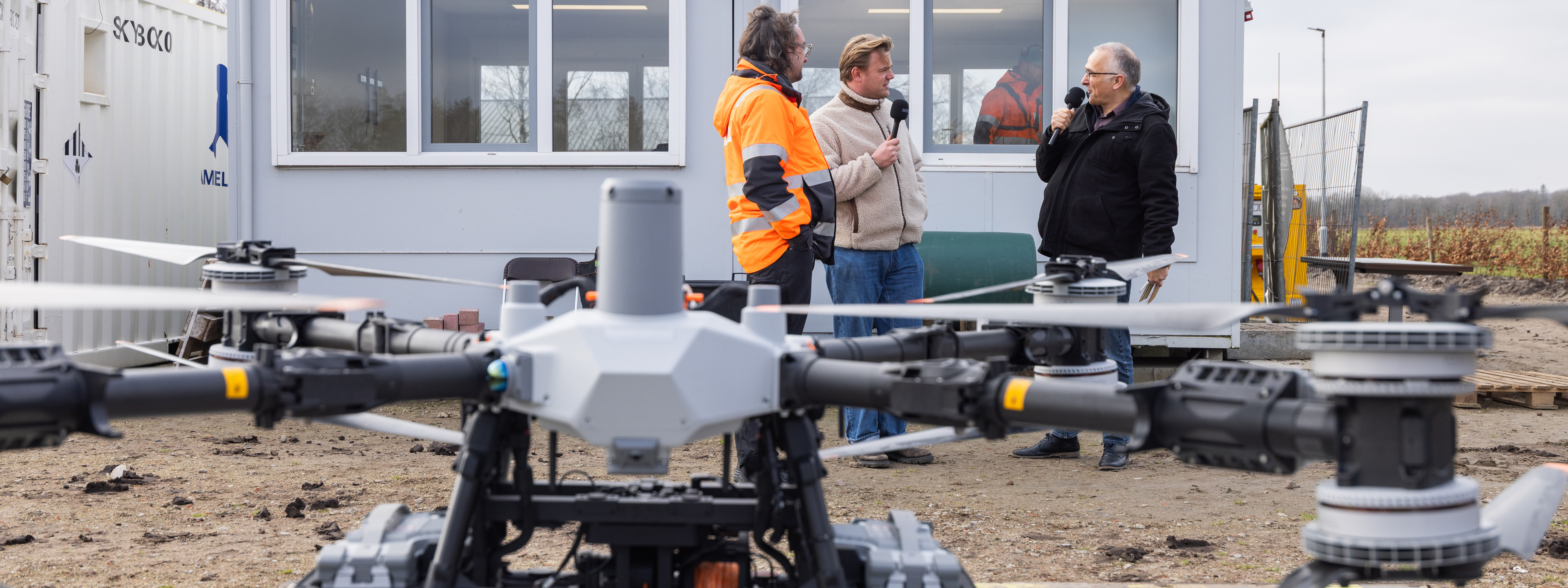
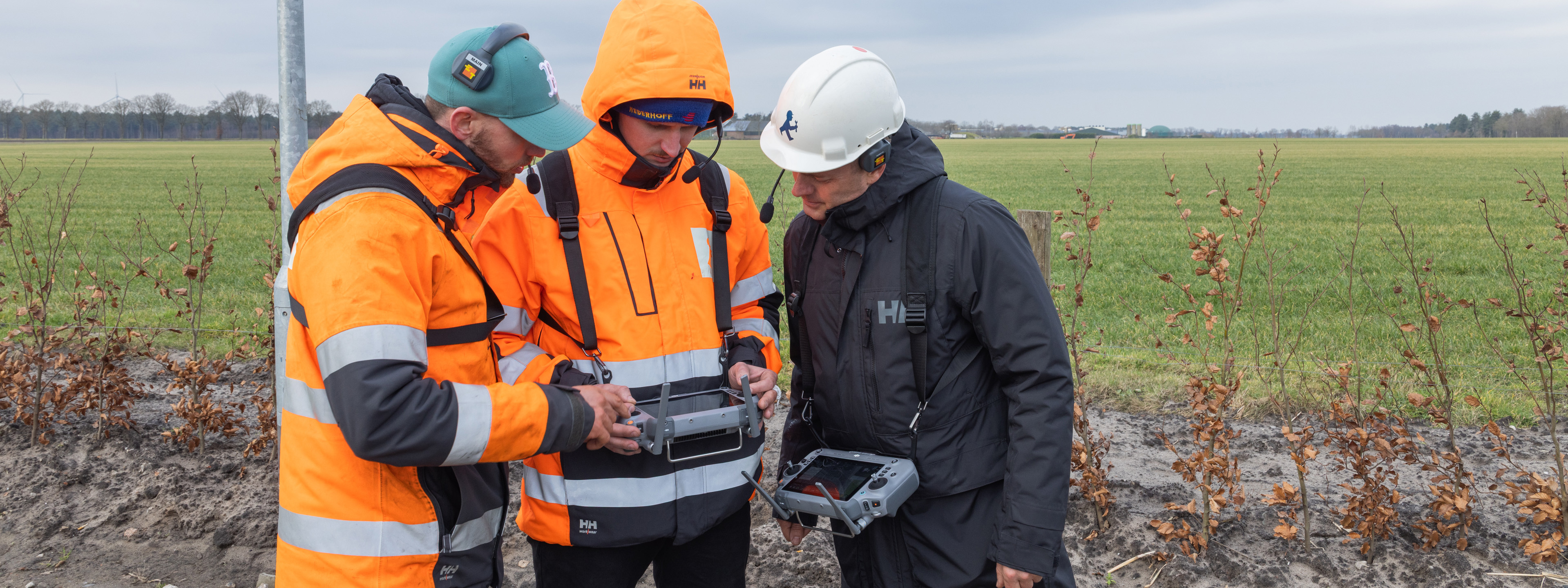
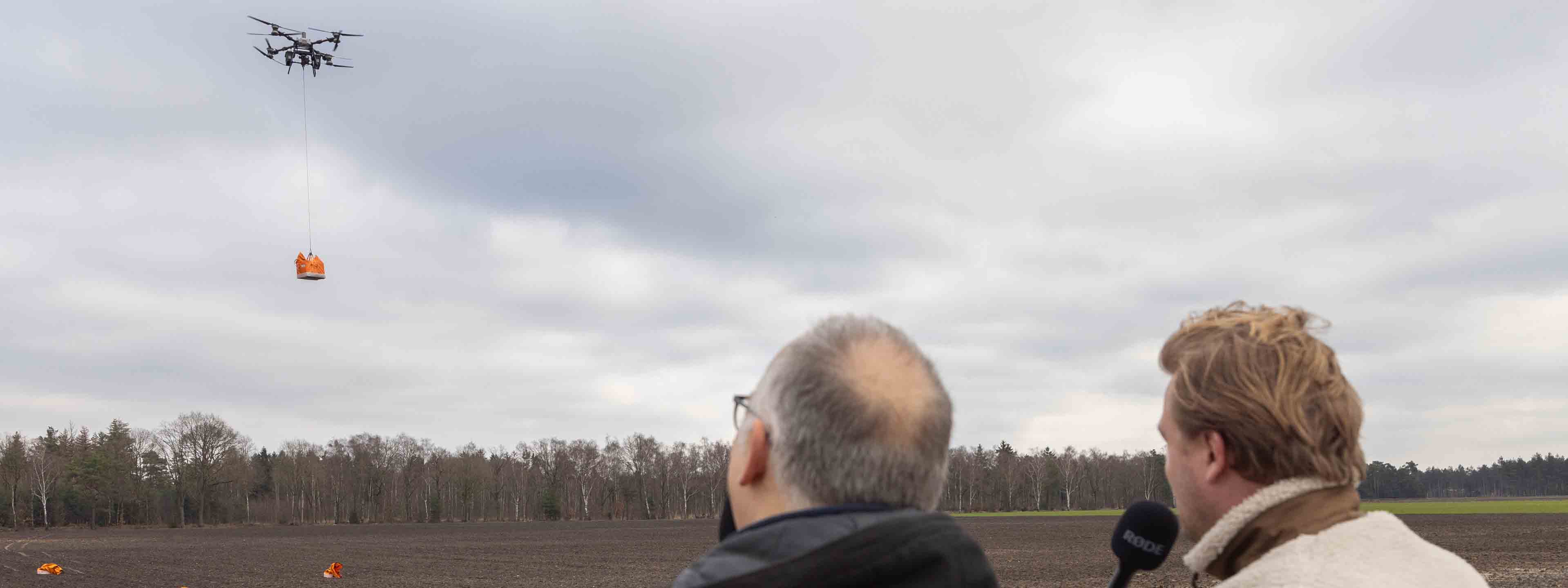
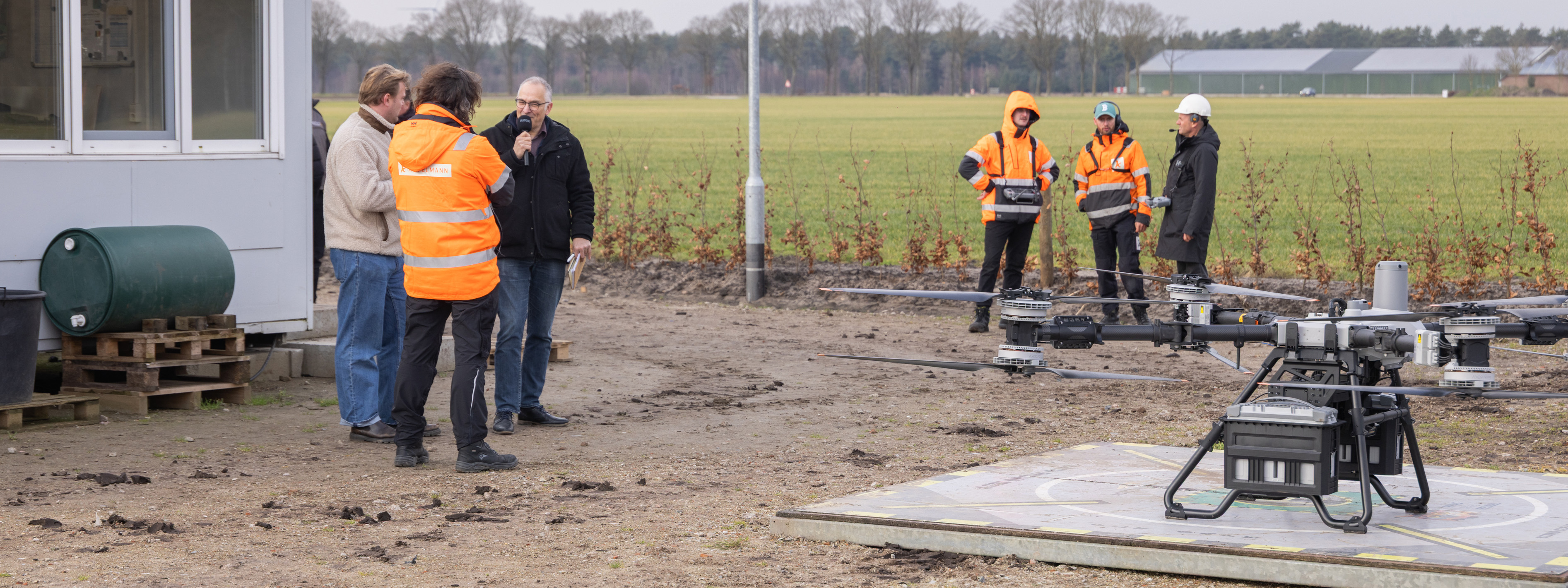
Wouter van Kloppenbrug, Thijs van ’t Geloof en David de Jager at Drone Port Reusel
From farm field to Drone Port, a so-called ‘vertiport’
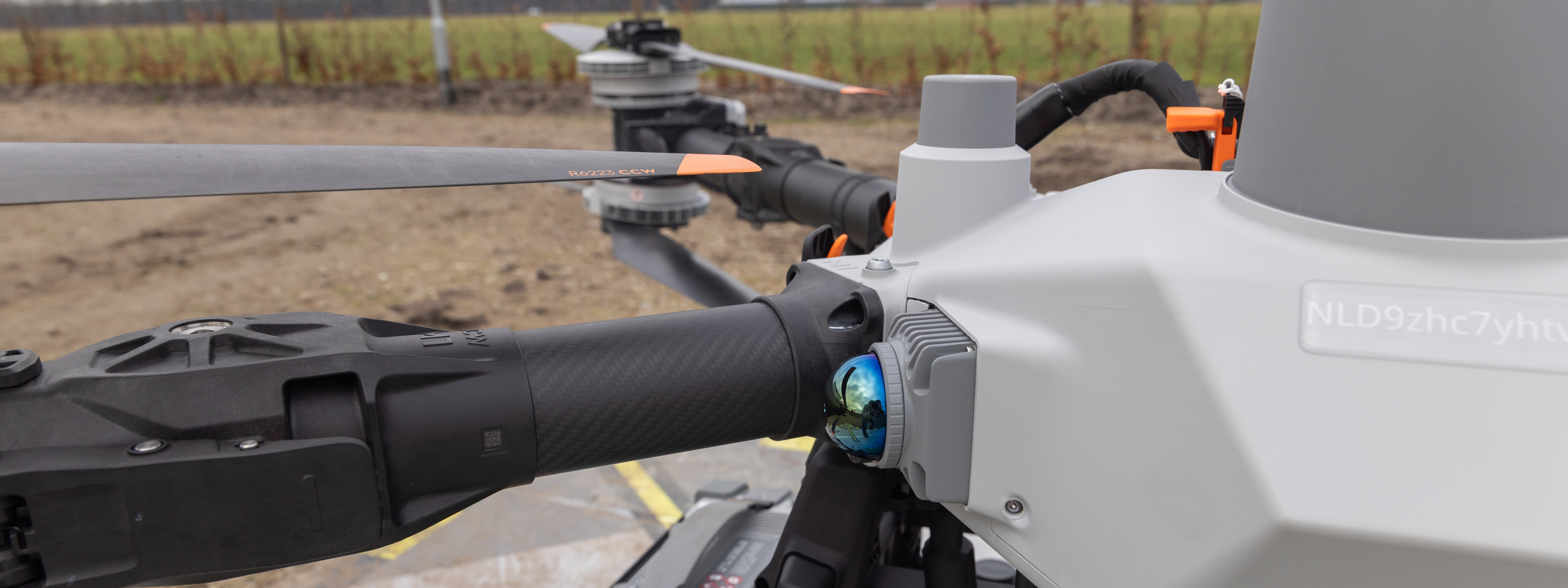
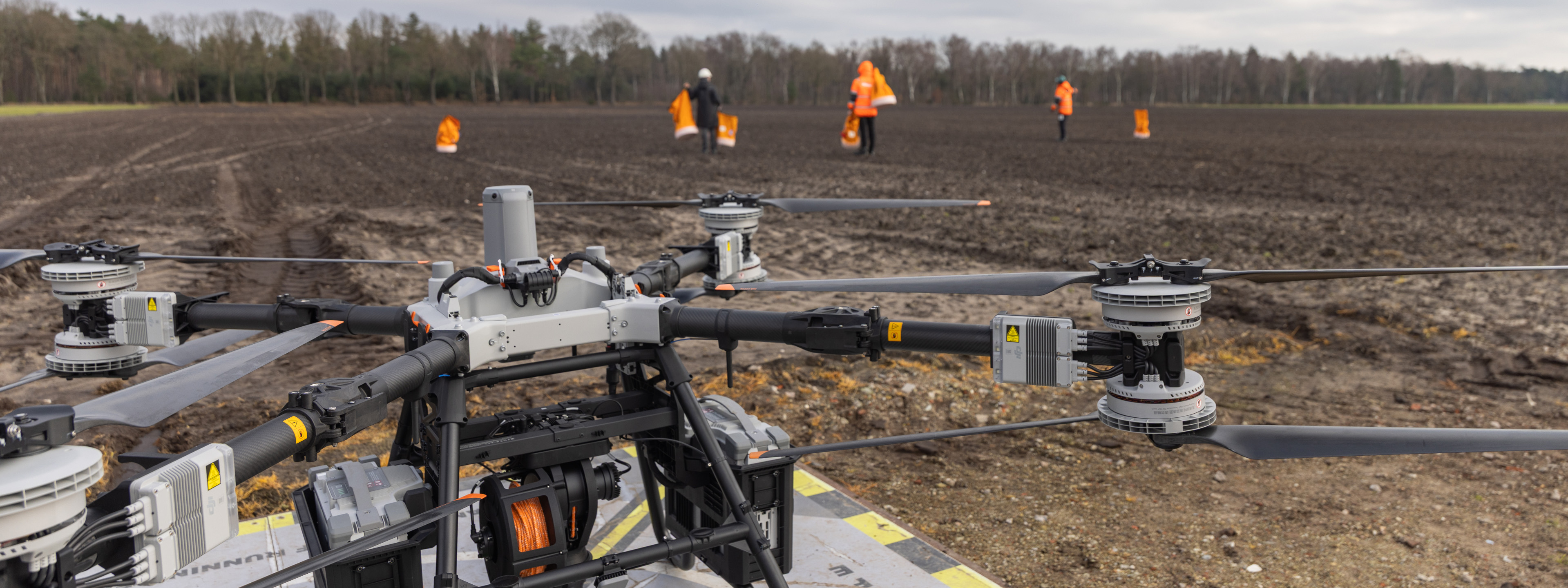
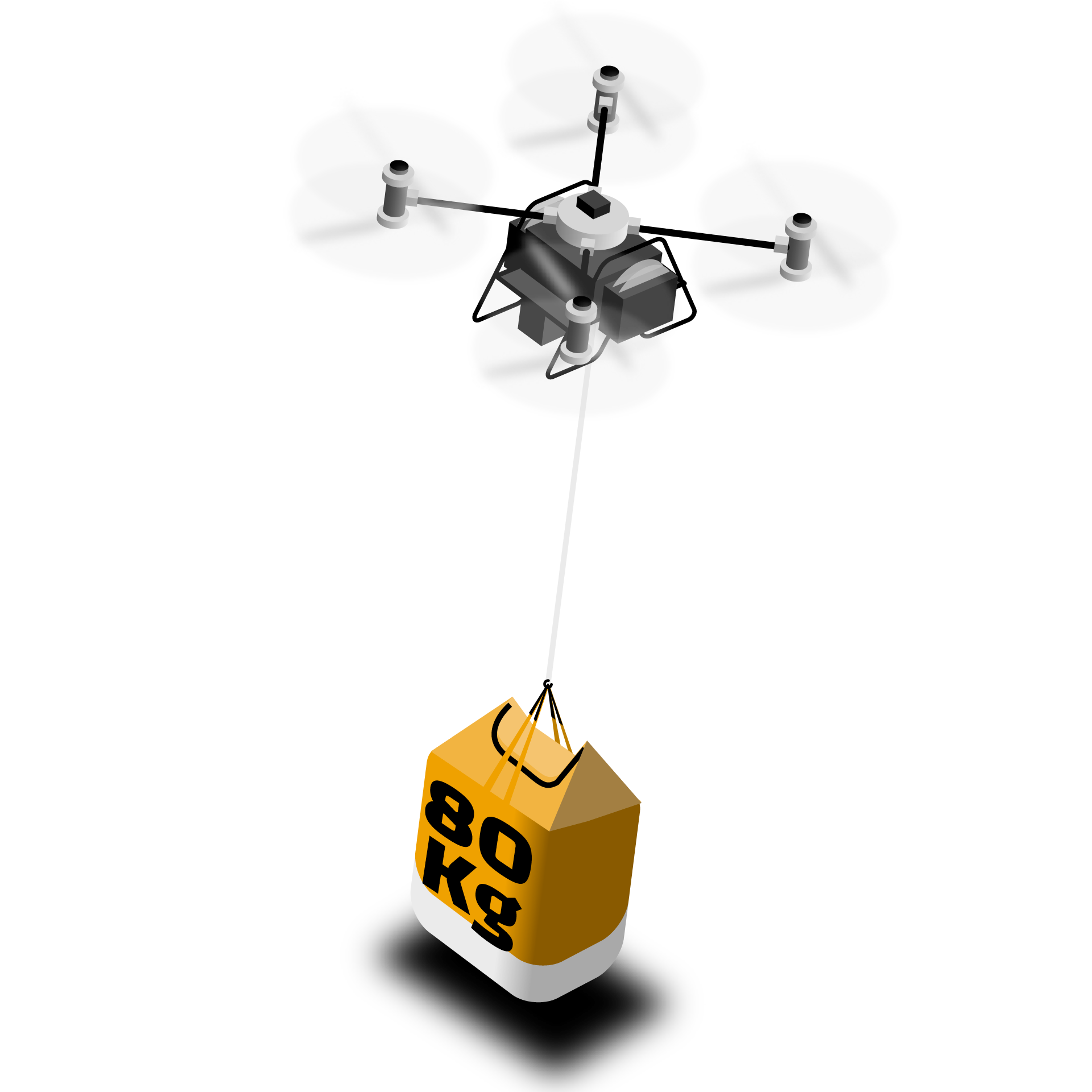
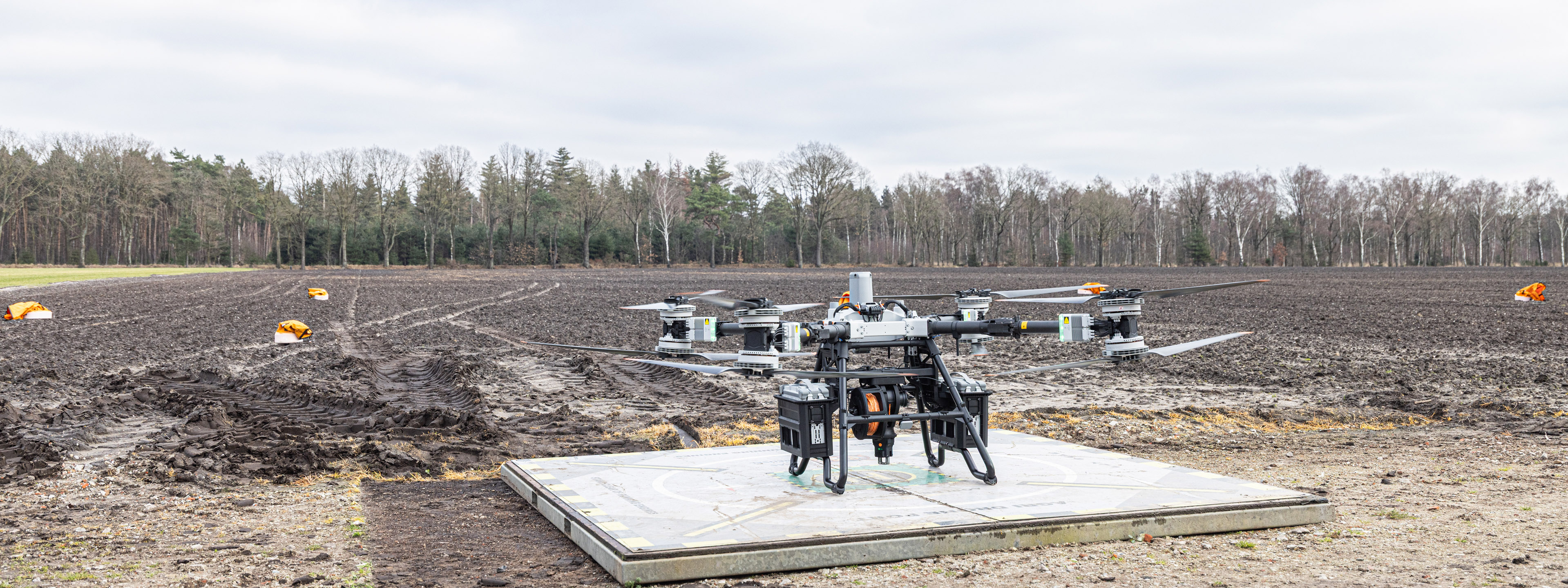
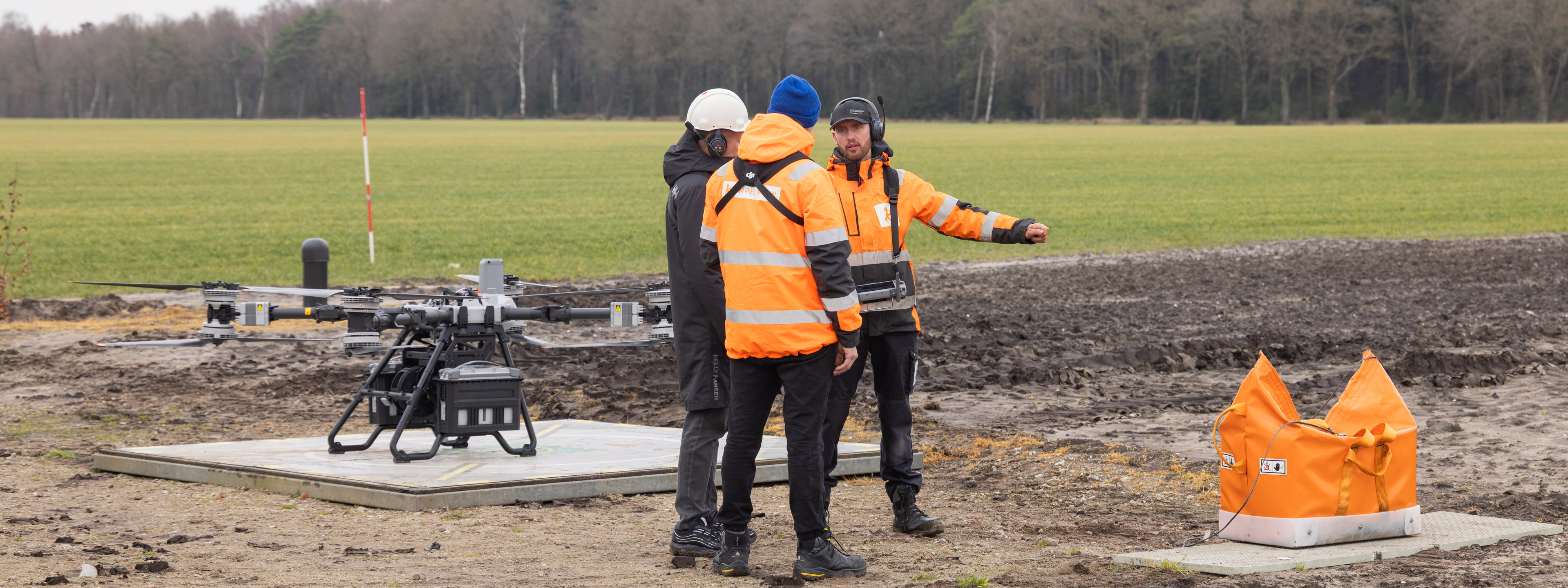
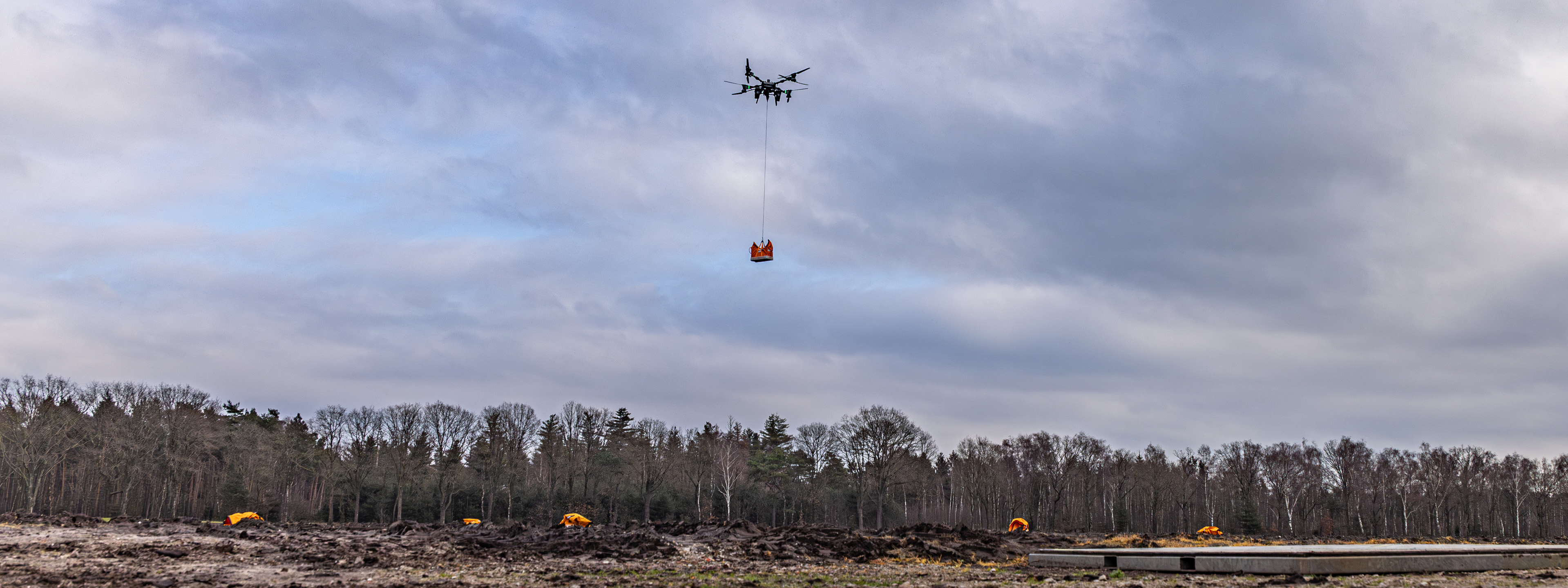
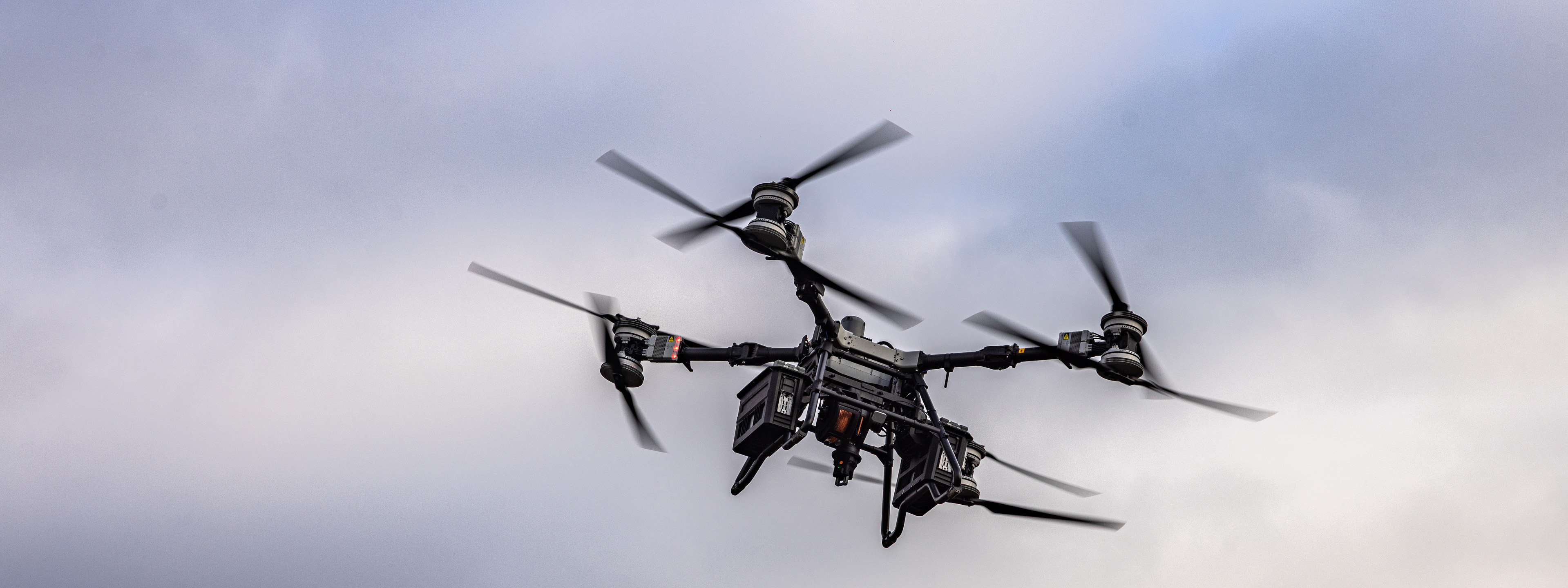
The setting is wonderfully surreal: an agricultural landscape, a “port”, and a square pad that’s only a few metres across. It’s called a vertiport,” Thijs smiles. “There’s vertical aviation only, so there’s a drone of considerable size on it.” The aircraft itself spans 3.5 to 3.5 metres and “can carry up to 80 kilograms.”
During our visit, pilots are practising on the pad. They are certified operators with strong offshore safety mindsets, often gangway operators. They are learning the finesse of take-off and landing that moving decks demand.
Offshore reality: 12 hours on paper, 8 hours in practice
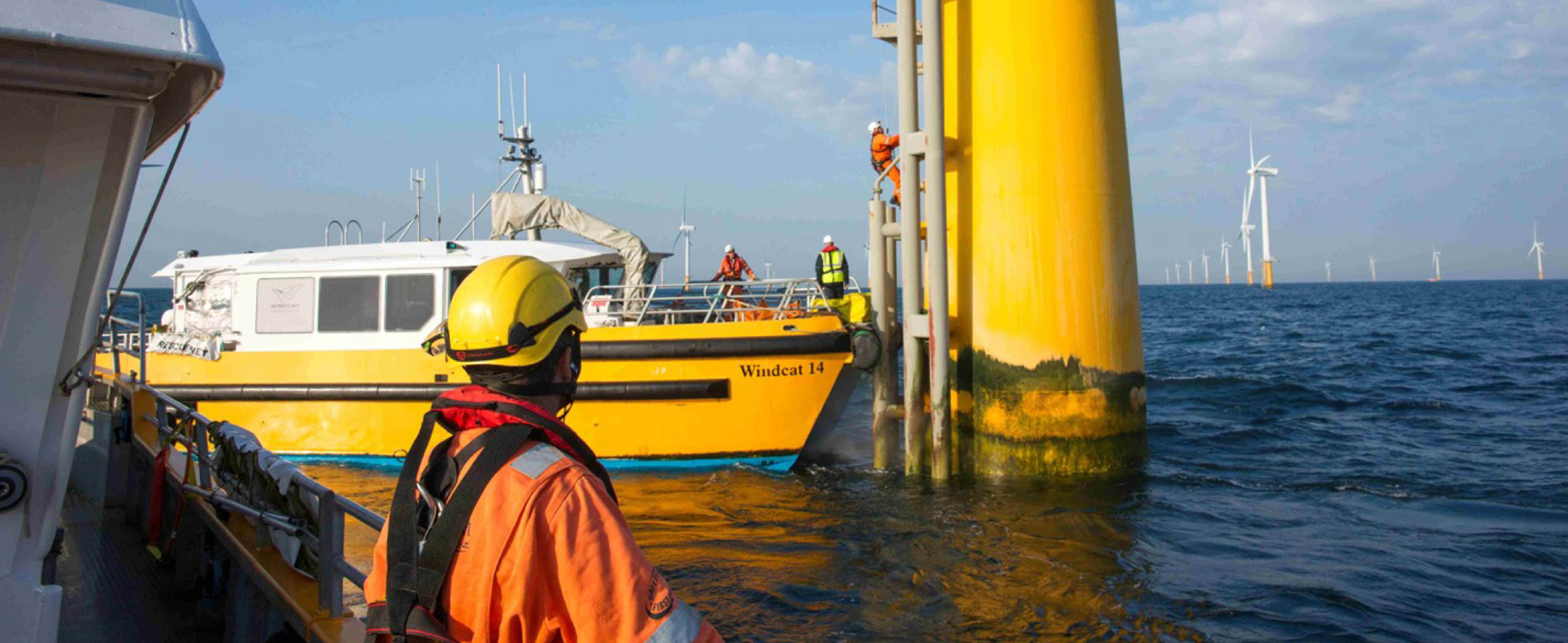
Maintenance teams typically work 12-hour shifts, but about four hours are spent on mobilisation and demobilisation, moving people and tools up and down from the nacelle. “Our vision is that with this large drone, you deliver everything upfront and also pick it up after the work is done,” Thijs explains. “Instead of eight hours of full working time, you’ll have ten.”
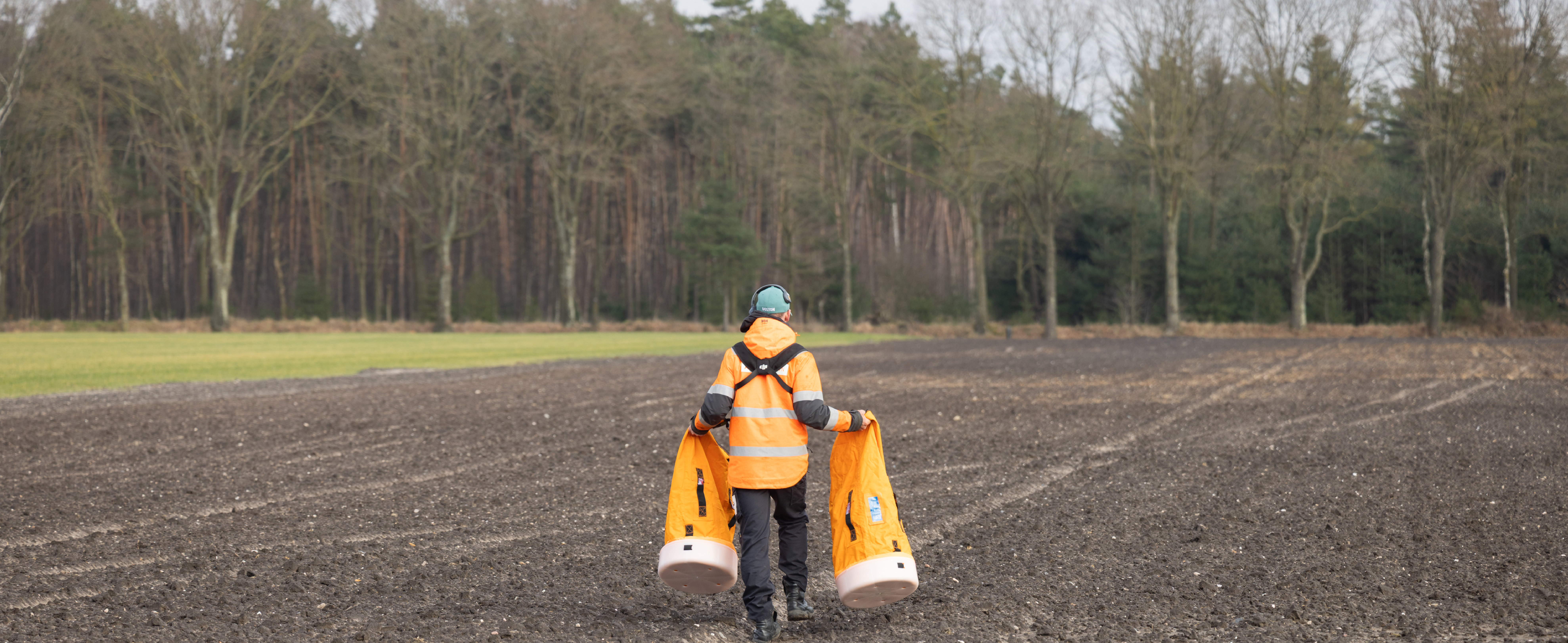
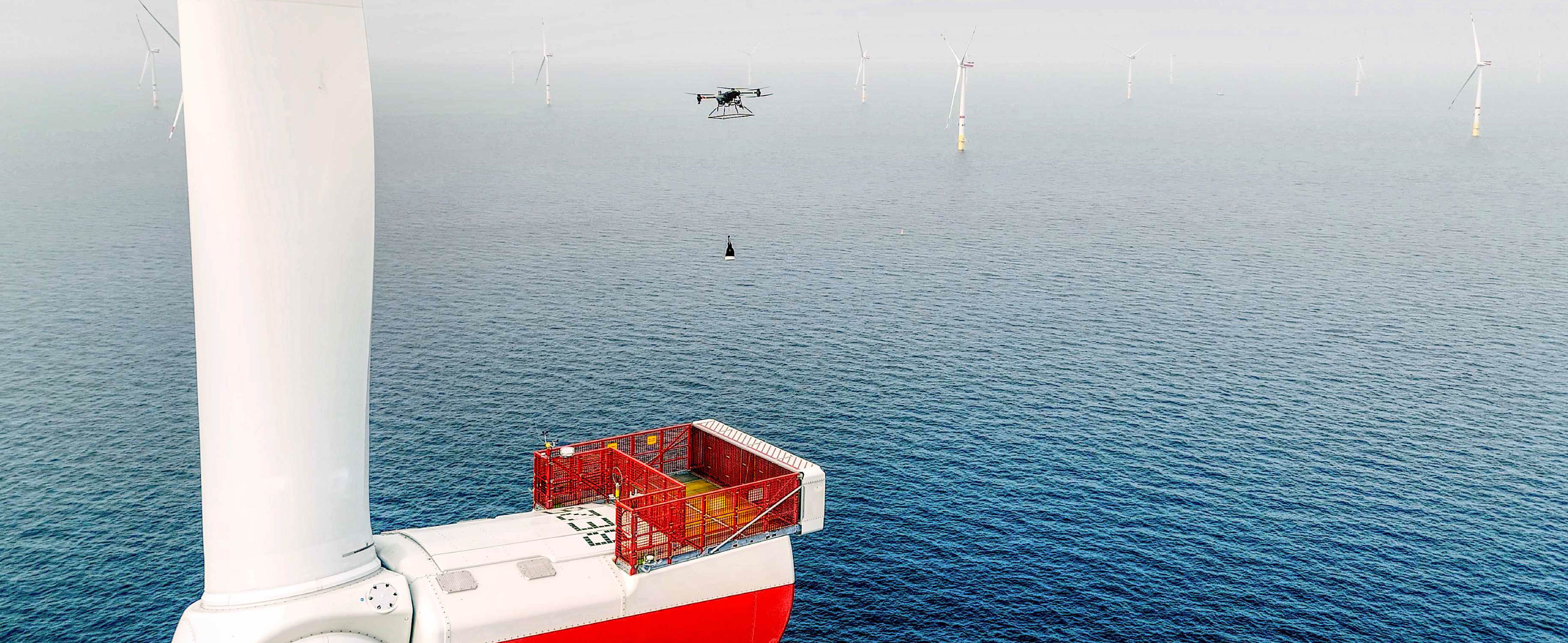
There are two types of delivery: Planned deliveries, where tools and spare parts are staged in advance for the next day’s maintenance schedule, then picked up after the shift. And unplanned deliveries: the crews go up to troubleshoot, and after identifying the problem, “we only fly in the items they really need, such as tools and spare parts,” Thijs says. “That means crews travel light, access the turbine, then request exactly what’s required. No need to bring 400 kilograms of spare parts, just in case. It takes around 5 minutes for us to prepare… and then deliver everything to the top of the turbine.”
The drone’s capability flexes with the load. Wouter states: “This drone can carry 85 kilos, with a delivery radius of around 1.5 kilometres. If it carries 30 kilos, we’re now working towards beyond 5 kilometres.”
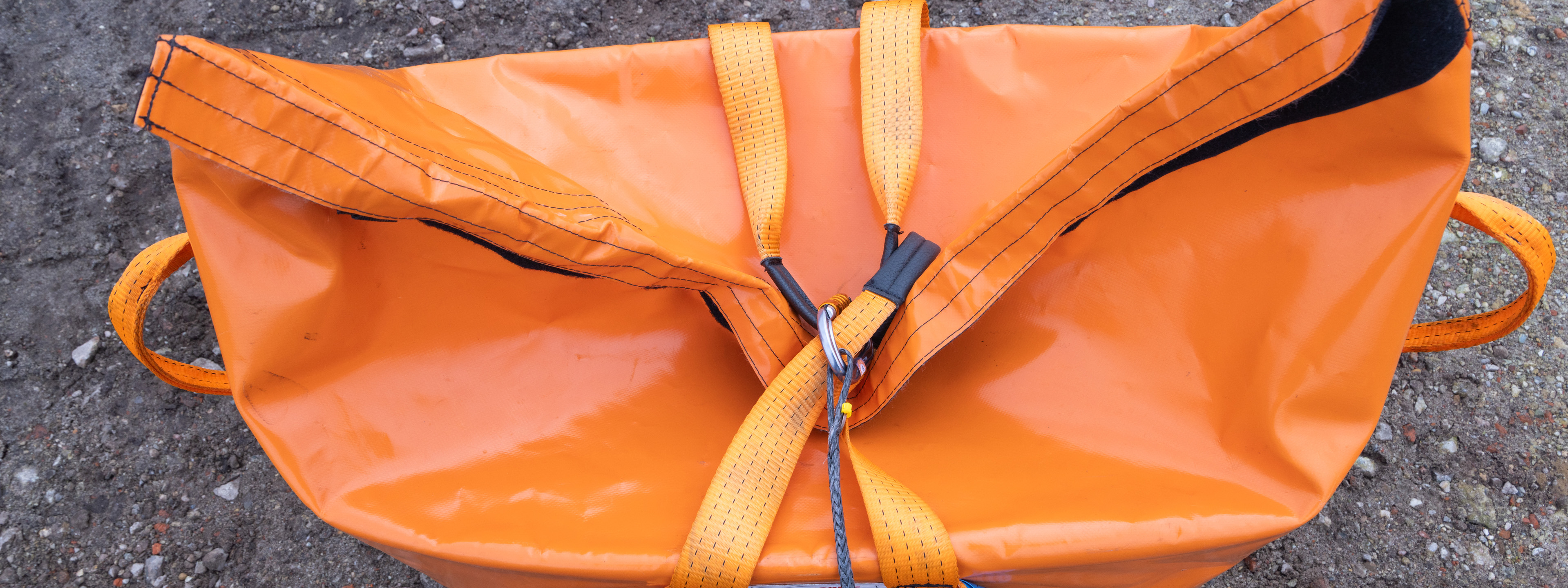
They bought this drone, so the innovation is not in the drone technology. But finding out how the cargo drone can be used under tough offshore conditions in a manner that indeed saves time and costs is part of the innovation project that Ampelmann is executing with partners. But, being engineers, they also developed the active compensating smart pickup hook. “A normal hook on a long line just swings,” Wouter says. “So we built a smart hook with a sensor suite that recognises the cargo and steers itself horizontally towards it. It has four propellers in itself. The drone hovers above the nacelle. We lower the hook, and the hook then connects itself to the cargo bag.” Operations run at wind speeds up to 12 m/s, so that is a low wind force 6.
Amid other air and sea traffic, Ampelmann developed an automation algorithm that detects activity and plots a safe route to the target turbine. The operator enters “Turbine 22, 50kilo payload”, and the system proposes a route and the remaining battery capacity, an assessment moment that unburdens the pilot. For planned maintenance, the long-term vision is to bring the parts at night, so that during the day, the technician can fully focus on maintenance activities. But flying at night requires an extra automation backbone and fully tested night procedures.
“Automated, not autonomous”: the pilot stays in the loop
For now, flights are with VLOS (visual line of sight) from the ship's deck. The objective is to move towards BVLOS (Beyond Visual Line of Sight) within the wind farm, partially achieved with higher levels of automation. “There’s always a pilot in the loop,” Wouter stresses.
The unseen part of it: from battery cabinets to ‘Sky Shield’
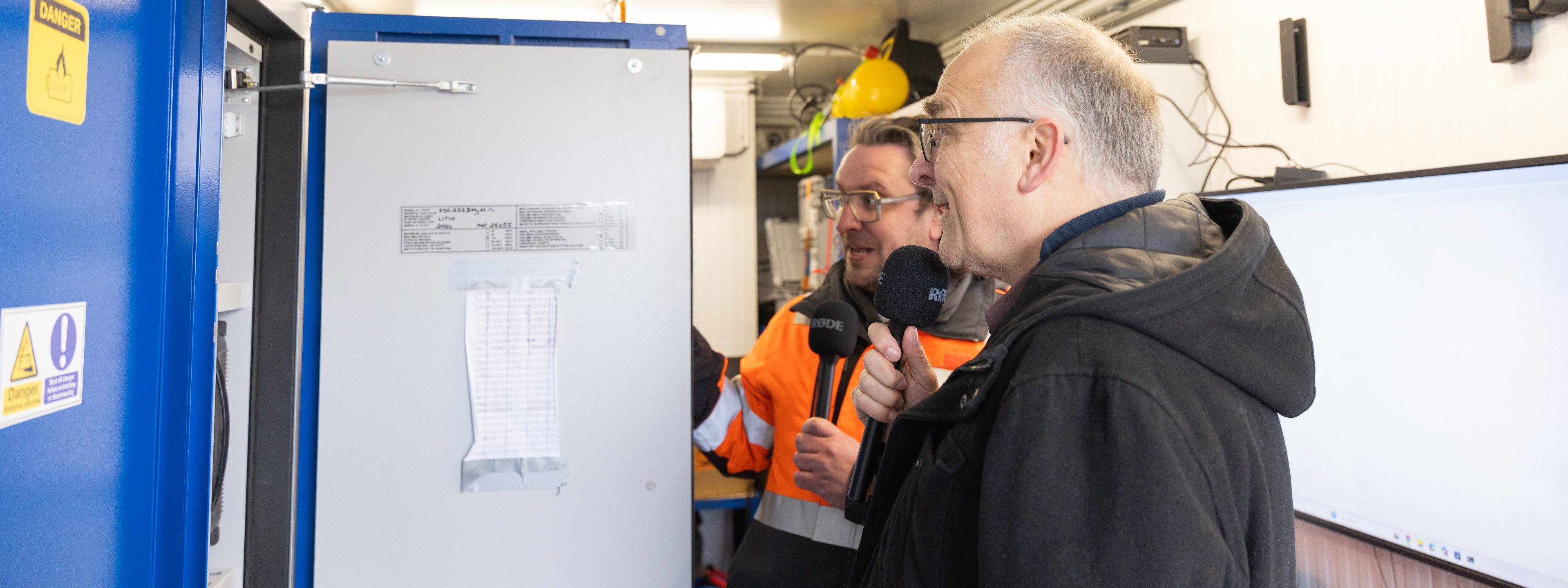
When you go offshore, you also need practical innovations to ensure crews can do their work safely. One example is a cabinet that can store lithium-ion batteries with a fire integrity of 90 minutes, including an external warning light and interfaces with the safety panels at the bridge.
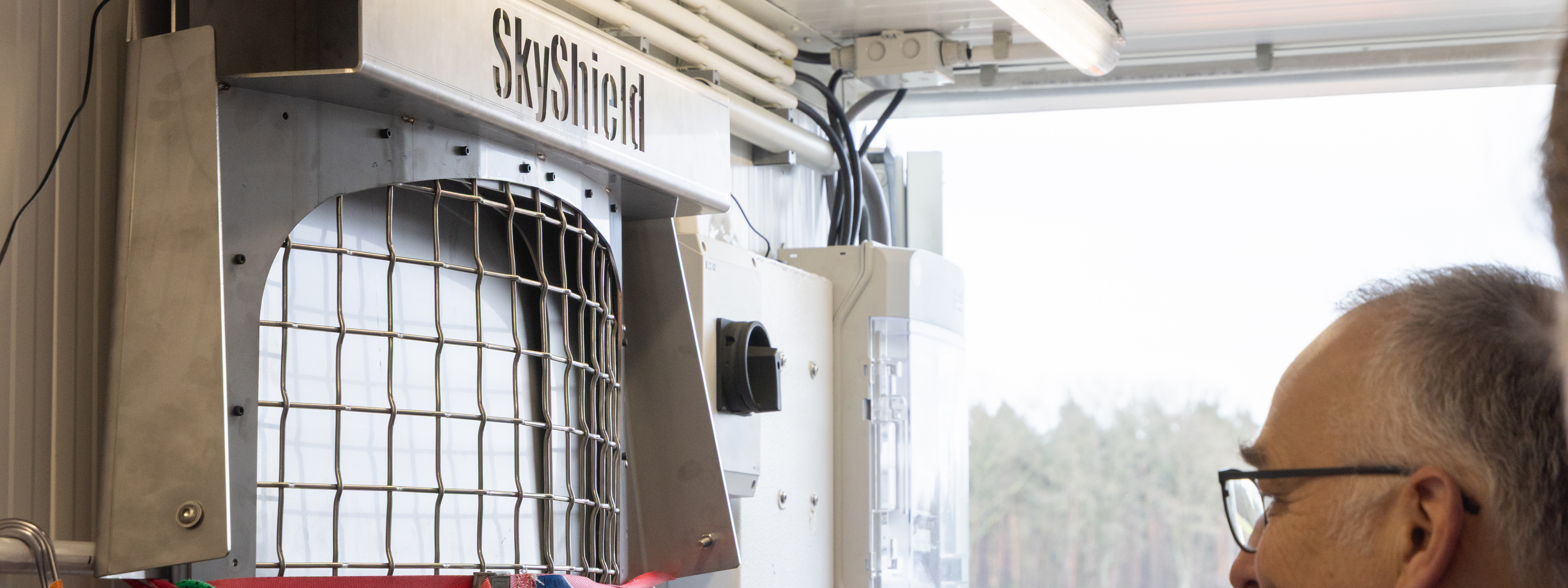
They also developed the “Sky Shield” to protect pilots on small, exposed decks. When a pilot controls the drone from the deck, they can stand safely behind it to prevent injury if something goes wrong. “The most delicate phase is the take-off and landing. Especially when you’re a moving ship, that’s something very difficult.
A load cell in the winch monitors tensions. If the tension gets too high, for instance, because the cargo is stuck to a structure on the nacelle, the pilot can remotely cut the line. Both the drone itself and the bags have a floating device, so that everything can be recovered in case of a crash. Of course, you cannot use the drone afterwards. But you can investigate what went wrong.
Thijs makes it clear that Ampelmann has already been learning offshore: “We have been flying around 15 weeks offshore last year.” In 2026, we will start with a three-month project at Vattenfall’s DanTysk/Sandbank wind farm (a German wind farm in Danish airspace), focused on full integration on day-to-day logistics. Every flight logs distance, weight, and bag contents, plus a simple counterfactual: how would this have been transferred without the drone, and how much time has been saved?
The expected results: fewer hours will be spent lifting materials, resulting in lower wind turbine downtime and less material to be moved because technicians pack lean when on-demand delivery is available.
A second two-month phase follows at another site to test a different use case (e.g., commissioning). Thijs and Wouter are still looking for a wind farm to execute this phase. So are you interested? Reach out to Thijs.
Operating offshore means flying in the aviation domain. Therefore, permits are based on a detailed Operations Manual, regulatory obligations (which may differ across EU countries, the UK, and international airspace beyond 12 nautical miles), and insurer conditions. As Thijs puts it, “The innovation is not only practical, you also have to find solutions to adhere to regulatory boundary conditions.”
 |
|
 |
|
 |
|
 |
|
 |
|
 |
|
 |
|
 |
|
 |
|
 |
|
 |
|
 |
|
 |
|